

Garage Door Opener Installation in Duluth, MN
Whether your current opener has stopped working or you're ready for a smoother, quieter upgrade, Yordy Doors installs new garage door openers from the ground up — fully aligned, tested, and ready to go the same day. A properly installed opener means safer operation, less noise, and one less thing to worry about.
Garage Door Opener Installation in Duluth, MN
Whether your current opener has stopped working or you're ready for a smoother, quieter upgrade, Yordy Doors installs new garage door openers from the ground up — fully aligned, tested, and ready to go the same day. A properly installed opener means safer operation, less noise, and one less thing to worry about.
Garage Door Opener Installation in Duluth, MN
Whether your current opener has stopped working or you're ready for a smoother, quieter upgrade, Yordy Doors installs new garage door openers from the ground up — fully aligned, tested, and ready to go the same day. A properly installed opener means safer operation, less noise, and one less thing to worry about.
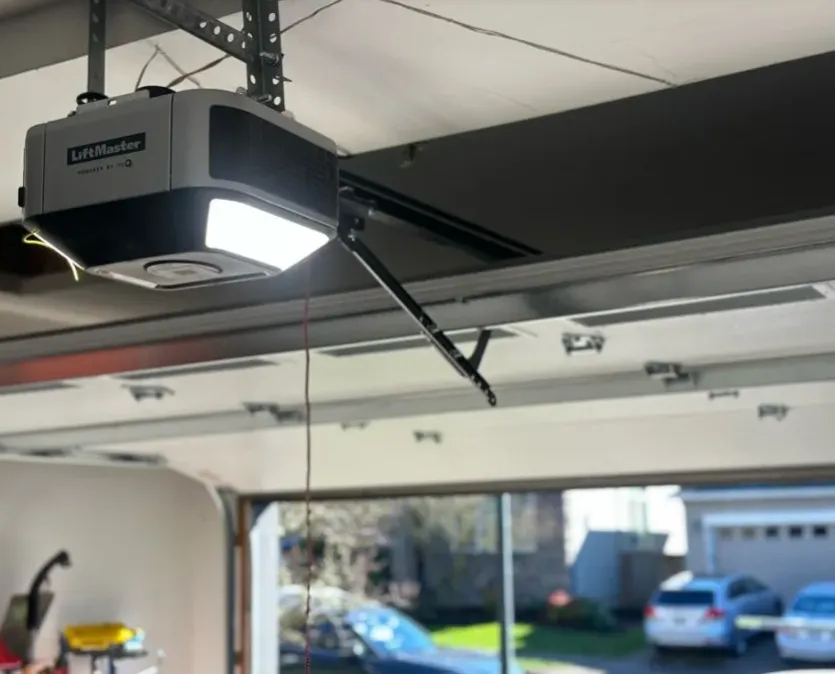
Signs You Need a New Garage Door Opener
Catching an opener on its way out early is a real gift — your opener does the heavy lifting every single day, and once it starts struggling, waiting too long can mean a door that fails at the worst possible moment. Here are five signs it's time for a new one:
Opener Struggles or Strains to Lift the Door
If your opener sounds like it's working harder than it used to, or the door moves noticeably slower, the motor may be wearing out. Left alone, that extra strain can lead to a full motor failure — catching it early means you can plan the replacement instead of getting caught off guard.
Frequent Reversals or Won't Fully Close
An opener that reverses randomly or won't let the door close all the way often points to a failing safety sensor or motor issue. This is exactly the kind of problem that gets more frustrating — not less — the longer it's ignored.
Loud Grinding or Buzzing Noise
A noisy opener, especially one that's suddenly much louder than usual, can signal worn gears inside the unit. Even an opener that still technically works can be hiding internal wear that leads to a sudden breakdown.
Opener Is More Than 10–15 Years Old
Older openers lack modern safety features like auto-reverse sensors, and replacement parts can become harder to find. Upgrading now means better safety and reliability instead of waiting for a failure to force the decision.
Remote or Keypad Stops Responding Reliably
If your remote or keypad has become unreliable, it may be a sign of a failing circuit board inside the opener — an issue that's usually more cost-effective to solve with a full replacement than repeated repairs.
If you're noticing any of these signs, stop using the door and give Yordy Doors a call for a safe, honest inspection — call (218) 420-9750.
Signs You Need a New Garage Door Opener
Catching an opener on its way out early is a real gift — your opener does the heavy lifting every single day, and once it starts struggling, waiting too long can mean a door that fails at the worst possible moment. Here are five signs it's time for a new one:
Opener Struggles or Strains to Lift the Door
IIf your opener sounds like it's working harder than it used to, or the door moves noticeably slower, the motor may be wearing out. Left alone, that extra strain can lead to a full motor failure — catching it early means you can plan the replacement instead of getting caught off guard.
Frequent Reversals or Won't Fully Close
An opener that reverses randomly or won't let the door close all the way often points to a failing safety sensor or motor issue. This is exactly the kind of problem that gets more frustrating — not less — the longer it's ignored.
Loud Grinding or Buzzing Noise
A noisy opener, especially one that's suddenly much louder than usual, can signal worn gears inside the unit. Even an opener that still technically works can be hiding internal wear that leads to a sudden breakdown.
Opener Is More Than 10–15 Years Old
Older openers lack modern safety features like auto-reverse sensors, and replacement parts can become harder to find. Upgrading now means better safety and reliability instead of waiting for a failure to force the decision.
Remote or Keypad Stops Responding Reliably
If your remote or keypad has become unreliable, it may be a sign of a failing circuit board inside the opener — an issue that's usually more cost-effective to solve with a full replacement than repeated repairs.
If you're noticing any of these signs, stop using the door and give Yordy Doors a call for a safe, honest inspection — call (218) 420-9750.
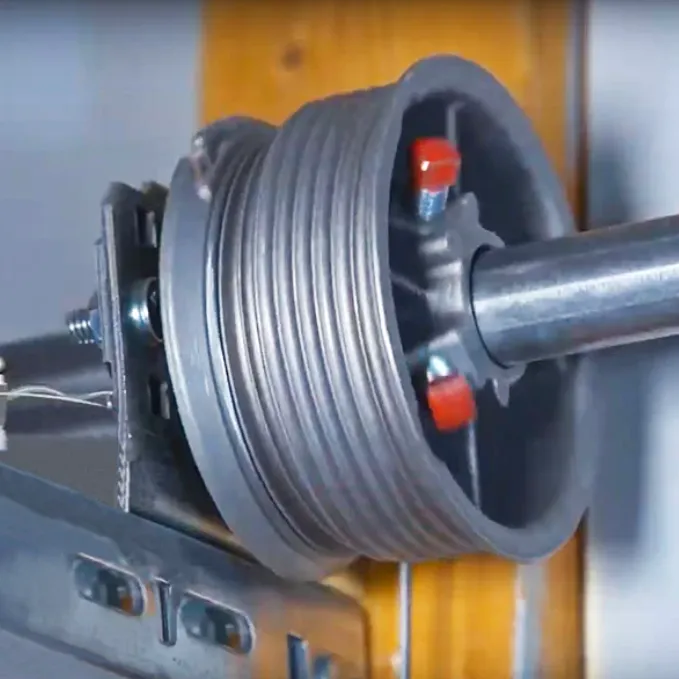
Signs You Need a New Garage Door Opener
Catching an opener on its way out early is a real gift — your opener does the heavy lifting every single day, and once it starts struggling, waiting too long can mean a door that fails at the worst possible moment. Here are five signs it's time for a new one:
Opener Struggles or Strains to Lift the Door
If your opener sounds like it's working harder than it used to, or the door moves noticeably slower, the motor may be wearing out. Left alone, that extra strain can lead to a full motor failure — catching it early means you can plan the replacement instead of getting caught off guard.
Frequent Reversals or Won't Fully Close
An opener that reverses randomly or won't let the door close all the way often points to a failing safety sensor or motor issue. This is exactly the kind of problem that gets more frustrating — not less — the longer it's ignored.
Loud Grinding or Buzzing Noise
A noisy opener, especially one that's suddenly much louder than usual, can signal worn gears inside the unit. Even an opener that still technically works can be hiding internal wear that leads to a sudden breakdown.
Opener Is More Than 10–15 Years Old
Older openers lack modern safety features like auto-reverse sensors, and replacement parts can become harder to find. Upgrading now means better safety and reliability instead of waiting for a failure to force the decision.
Remote or Keypad Stops Responding Reliably
If your remote or keypad has become unreliable, it may be a sign of a failing circuit board inside the opener — an issue that's usually more cost-effective to solve with a full replacement than repeated repairs.
If you're noticing any of these signs, stop using the door and give Yordy Doors a call for a safe, honest inspection — call (218) 420-9750.
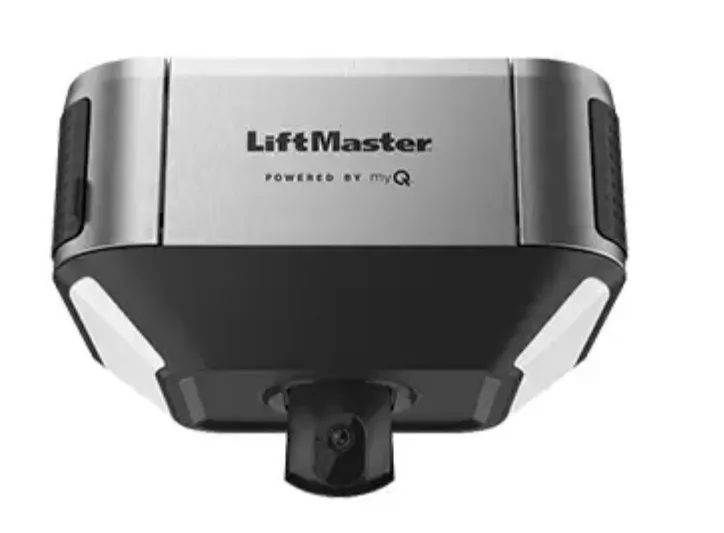
How Garage Door Opener Installation Works
1. We confirm your garage door itself is in good operating condition, since a new opener won't fix an underlying door problem.
2.The old opener, if there is one, is removed.
3.The new trolley rail and opener head are assembled and mounted securely above the door.
4. Safety sensors and the wall button are mounted and wired in.
5.The J-arm is connected and the opener's travel limits are set and tested.
6. We program your remote and keypad and confirm smooth, quiet operation before we leave.
How Garage Door Opener Installation Works
1. We confirm your garage door itself is in good operating condition, since a new opener won't fix an underlying door problem.
2. The old opener, if there is one, is removed.
3. The new trolley rail and opener head are assembled and mounted securely above the door.
4.Safety sensors and the wall button are mounted and wired in.
5. The J-arm is connected and the opener's travel limits are set and tested.
6. We program your remote and keypad and confirm smooth, quiet operation before we leave.
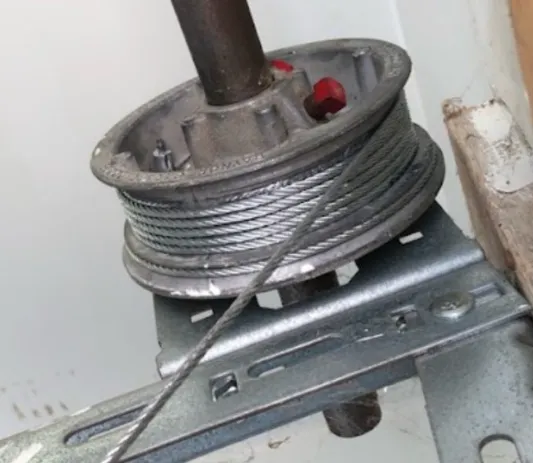
How Garage Door Opener Installation Works
1. We confirm your garage door itself is in good operating condition, since a new opener won't fix an underlying door problem.
2. The old opener, if there is one, is removed.
3. The new trolley rail and opener head are assembled and mounted securely above the door.
4.Safety sensors and the wall button are mounted and wired in.
5. The J-arm is connected and the opener's travel limits are set and tested.
6. We program your remote and keypad and confirm smooth, quiet operation before we leave.



CHECK OUT OUR CURRENT OFFERS!
$200 OFF A NEW GARAGE DOOR!
PROUDLY SERVING DULUTH, HERMANTOWN & TWO HARBORS
Duluth
Hermantown
Two Harbors
Cloquette
Saginaw
Tofte
GET INSPIRED!
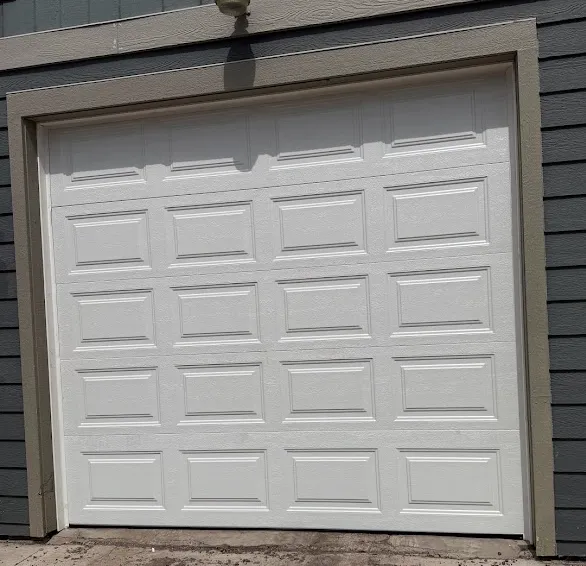
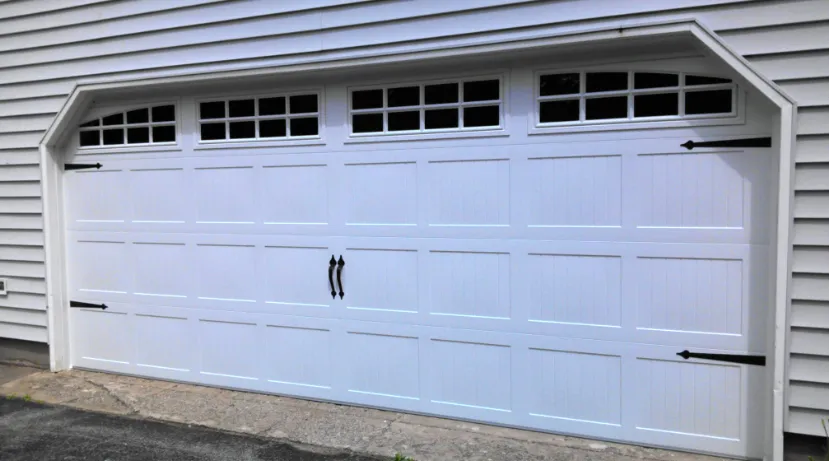
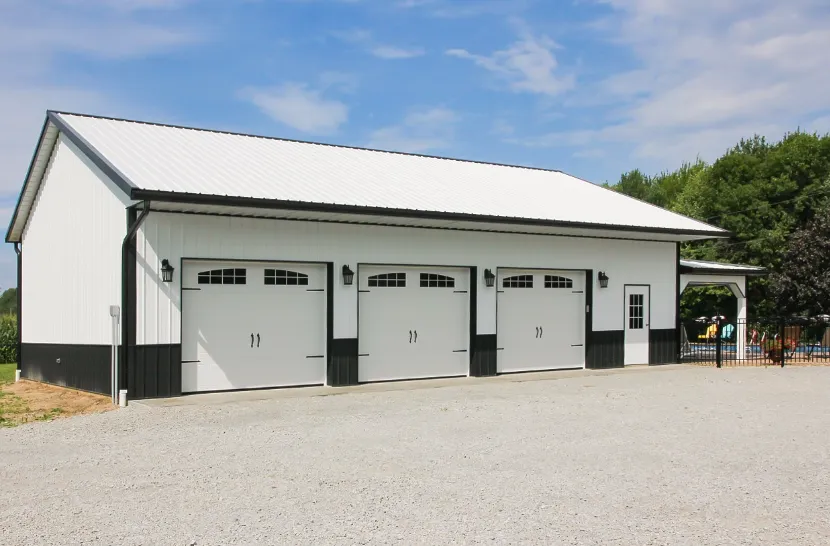
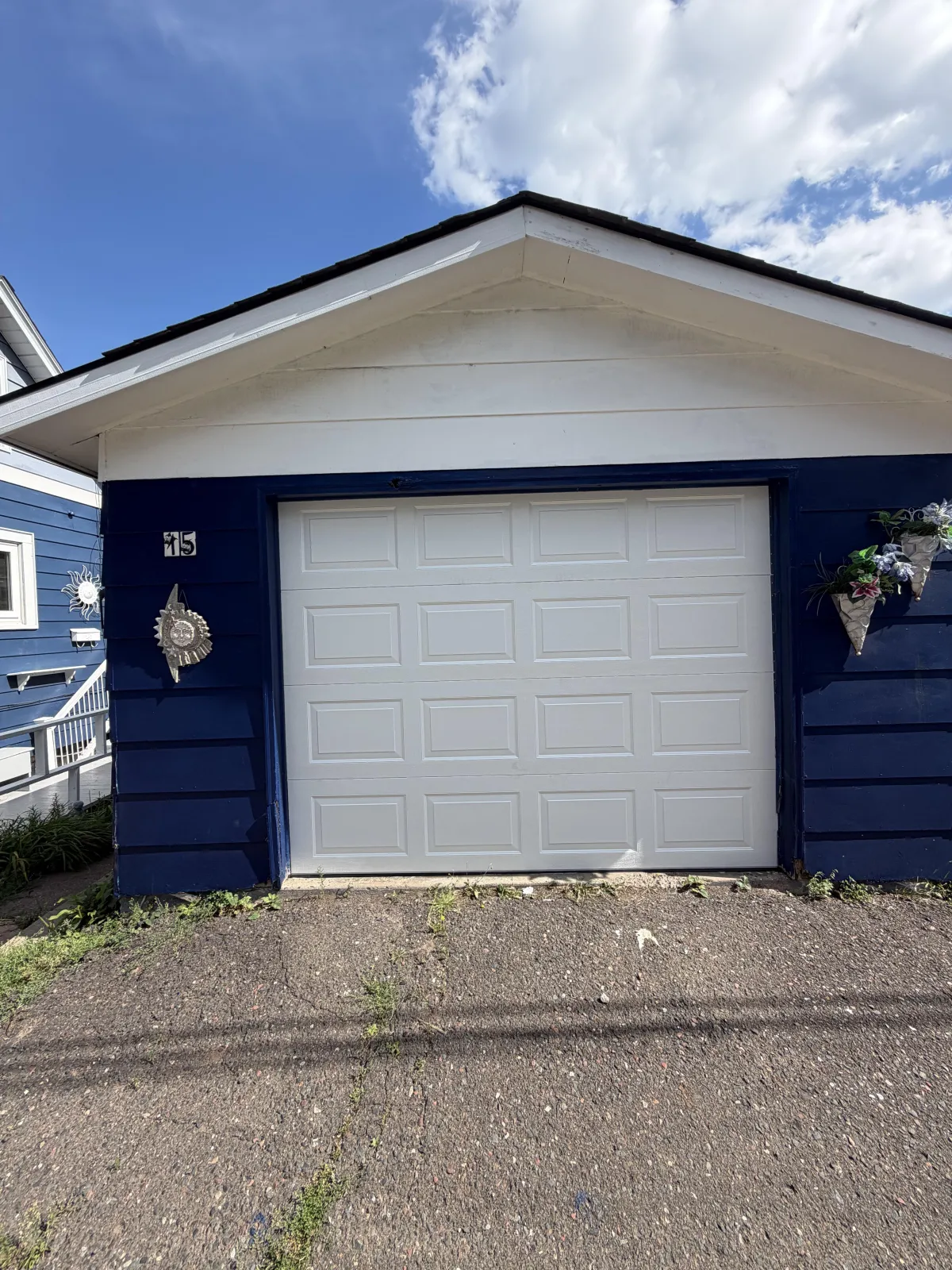
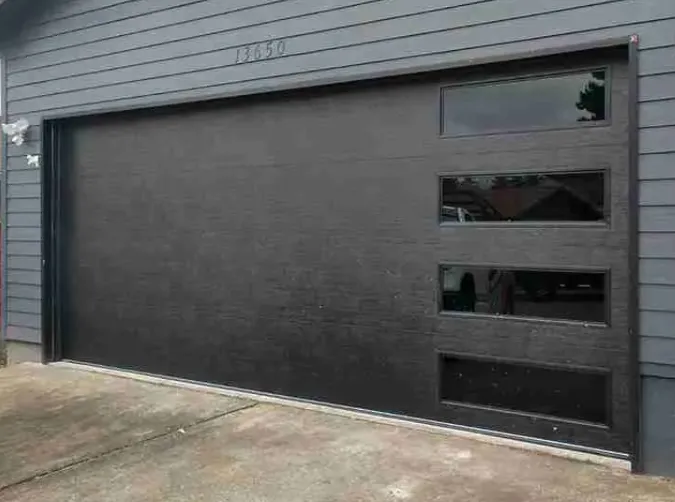
Browse real installs from around Duluth, Hermantown, and Two Harbors — see the difference a fresh garage door makes.
We're Here For You
Areas We Serve
Duluth
Hermantown
Two Harbors
Cloquette
Saginaw
Proctor
Rice Lake
Esko
Quick Links
Home
Repairs
Bundles
Protection Plans
About US
© 2026 Yordy Doors
Privacy Policy
Terms & Conditions


CHECK OUT OUR CURRENT OFFERS!
$200 OFF A NEW GARAGE DOOR!
CHECK OUT OUR CURRENT OFFERS!
$200 OFF A NEW GARAGE DOOR!
PROUDLY SERVING DULUTH, HERMANTOWN & TWO HARBORS
Duluth
Hermantown
Two Harbors
Cloquette
Saginaw
Tofte
GET INSPIRED!
Browse real installs from around Duluth, Hermantown, and Two Harbors — see the difference a fresh garage door makes.
We're Here For You
Areas We Serve
Duluth
Hermantown
Two Harbors
Cloquette
Saginaw
Proctor
Rice Lake
Esko
© 2026 Yordy Doors
Privacy Policy
Terms & Conditions
PROUDLY SERVING DULUTH, HERMANTOWN & TWO HARBORS
Duluth
Hermantown
Two Harbors
Cloquette
Saginaw
Tofte
GET INSPIRED!
Browse real installs from around Duluth, Hermantown, and Two Harbors — see the difference a fresh garage door makes.
We're Here For You
Areas We Serve
Duluth
Hermantown
Two Harbors
Cloquet
Saginaw
Proctor
Rice Lake
Esko
Quick Links
Home
Repairs
Bundles
Door Care Plan
About US
© 2026 Yordy Doors
Privacy Policy
Terms & Conditions