

Garage Door Spring Repair in Duluth, MN
A broken or worn-out spring is one of the most common reasons a garage door suddenly stops working — and one of the most dangerous parts to touch yourself. Springs carry the full weight of your door under constant tension, and a failure can happen without warning. If your door won't open, feels too heavy, or you heard a loud snap, Yordy Doors is ready to help.
Garage Door Spring Repair in Duluth, MN
A broken or worn-out spring is one of the most common reasons a garage door suddenly stops working — and one of the most dangerous parts to touch yourself. Springs carry the full weight of your door under constant tension, and a failure can happen without warning. If your door won't open, feels too heavy, or you heard a loud snap, Yordy Doors is ready to help.
Garage Door Spring Repair in Duluth, MN
A broken or worn-out spring is one of the most common reasons a garage door suddenly stops working — and one of the most dangerous parts to touch yourself. Springs carry the full weight of your door under constant tension, and a failure can happen without warning. If your door won't open, feels too heavy, or you heard a loud snap, Yordy Doors is ready to help.
Signs Your Garage Door Spring Needs Attention
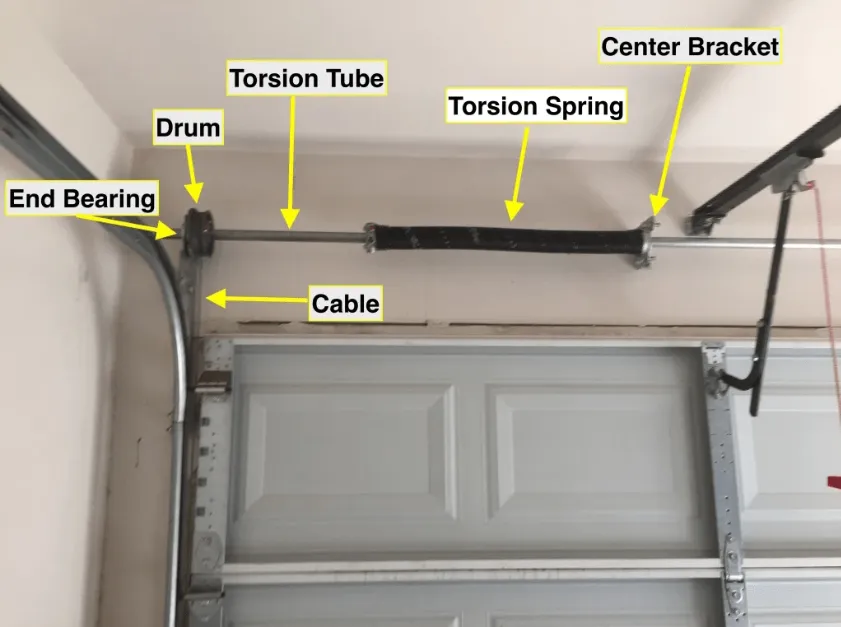
Catching a weak spring early is a real gift — torsion springs are built to handle thousands of open-and-close cycles, but once they start wearing out, replacing them before they snap is what keeps you safe. When a spring does break, the sudden release of stored tension puts strain on the entire system — and that's when small problems turn into expensive ones. Here are five signs your springs need attention:
Uneven or Jerky Door Movement
If your door tilts, sticks, or jerks as it moves, uneven spring tension is often the cause. Left alone, this extra strain can damage your opener or tracks — catching it early can save you from a much bigger repair bill down the road.
Door Feels Unusually Heavy to Lift
If your opener seems to be working harder than it used to — lifting slowly or straining — that's often a sign the springs have lost their counterbalance. Your opener isn't built to lift the door's full weight on its own; the spring is supposed to be doing most of that work.
A Loud Bang or Snapping Noise
A sudden loud bang is almost always a spring breaking. If you hear this, stop using the door immediately and give Yordy Doors a call — this is exactly the kind of issue that needs a same-day or after-hours response.
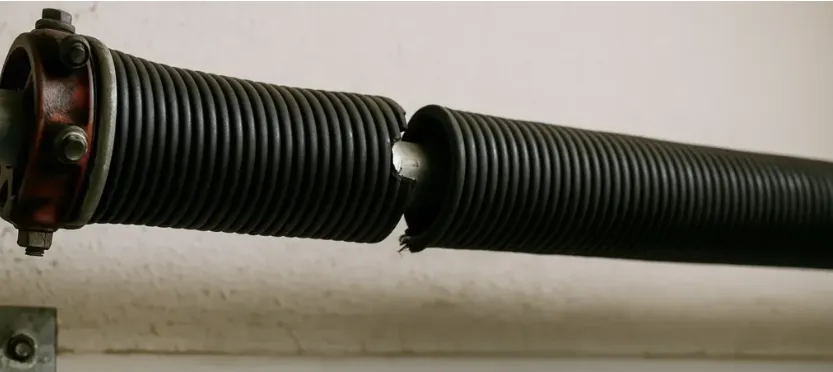
Visible Gaps, Rust, or Wear on the Coil
A gap in the coil, rust, or stretched-looking sections are all clear signs of fatigue. Even a spring that still "looks fine" can be hiding wear underneath — which is exactly why a professional inspection matters.
Door Slams Shut or Won't Stay Open
A door that drops quickly instead of closing smoothly, or won't hold its position when open, points to springs that have lost their tension. This is a real safety risk — a fast-moving garage door can cause serious injury or damage.
If you're noticing any of these signs, stop using the door and give Yordy Doors a call for a safe, honest inspection — call (218) 420-9750.
Signs Your Garage Door Spring Needs Attention
Catching a weak spring early is a real gift — torsion springs are built to handle thousands of open-and-close cycles, but once they start wearing out, replacing them before they snap is what keeps you safe. When a spring does break, the sudden release of stored tension puts strain on the entire system — and that's when small problems turn into expensive ones. Here are five signs your springs need attention:
Uneven or Jerky Door Movement
If your door tilts, sticks, or jerks as it moves, uneven spring tension is often the cause. Left alone, this extra strain can damage your opener or tracks — catching it early can save you from a much bigger repair bill down the road.
Door Feels Unusually Heavy to Lift
If your opener seems to be working harder than it used to — lifting slowly or straining — that's often a sign the springs have lost their counterbalance. Your opener isn't built to lift the door's full weight on its own; the spring is supposed to be doing most of that work.
A Loud Bang or Snapping Noise
A sudden loud bang is almost always a spring breaking. If you hear this, stop using the door immediately and give Yordy Doors a call — this is exactly the kind of issue that needs a same-day or after-hours response.
Visible Gaps, Rust, or Wear on the Coil
A gap in the coil, rust, or stretched-looking sections are all clear signs of fatigue. Even a spring that still "looks fine" can be hiding wear underneath — which is exactly why a professional inspection matters.
Door Slams Shut or Won't Stay Open
A door that drops quickly instead of closing smoothly, or won't hold its position when open, points to springs that have lost their tension. This is a real safety risk — a fast-moving garage door can cause serious injury or damage.
If you're noticing any of these signs, stop using the door and give Yordy Doors a call for a safe, honest inspection — call (218) 420-9750.
Signs Your Garage Door Spring Needs Attention
Catching a weak spring early is a real gift — torsion springs are built to handle thousands of open-and-close cycles, but once they start wearing out, replacing them before they snap is what keeps you safe. When a spring does break, the sudden release of stored tension puts strain on the entire system — and that's when small problems turn into expensive ones. Here are five signs your springs need attention:
Uneven or Jerky Door Movement
If your door tilts, sticks, or jerks as it moves, uneven spring tension is often the cause. Left alone, this extra strain can damage your opener or tracks — catching it early can save you from a much bigger repair bill down the road.
Door Feels Unusually Heavy to Lift
If your opener seems to be working harder than it used to — lifting slowly or straining — that's often a sign the springs have lost their counterbalance. Your opener isn't built to lift the door's full weight on its own; the spring is supposed to be doing most of that work.
A Loud Bang or Snapping Noise
A sudden loud bang is almost always a spring breaking. If you hear this, stop using the door immediately and give Yordy Doors a call — this is exactly the kind of issue that needs a same-day or after-hours response.
Visible Gaps, Rust, or Wear on the Coil
A gap in the coil, rust, or stretched-looking sections are all clear signs of fatigue. Even a spring that still "looks fine" can be hiding wear underneath — which is exactly why a professional inspection matters.
Door Slams Shut or Won't Stay Open
A door that drops quickly instead of closing smoothly, or won't hold its position when open, points to springs that have lost their tension. This is a real safety risk — a fast-moving garage door can cause serious injury or damage.
If you're noticing any of these signs, stop using the door and give Yordy Doors a call for a safe, honest inspection — call (218) 420-9750.
How Garage Door Spring Repair Works
1. We inspect the door and flag anything hazardous or outside scope.
2. Vehicles are cleared from the garage — releasing spring tension is the most dangerous step, since old springs can snap unpredictably.
3. The worn spring is carefully removed.
4. A new, properly rated spring is installed and tensioned.
5. We test the door's balance and smooth operation before we leave.
How Garage Door Spring Repair Works
1. We inspect the door and flag anything hazardous or outside scope.
2. Vehicles are cleared from the garage — releasing spring tension is the most dangerous step, since old springs can snap unpredictably.
3. The worn spring is carefully removed.
4. A new, properly rated spring is installed and tensioned.
5. We test the door's balance and smooth operation before we leave.
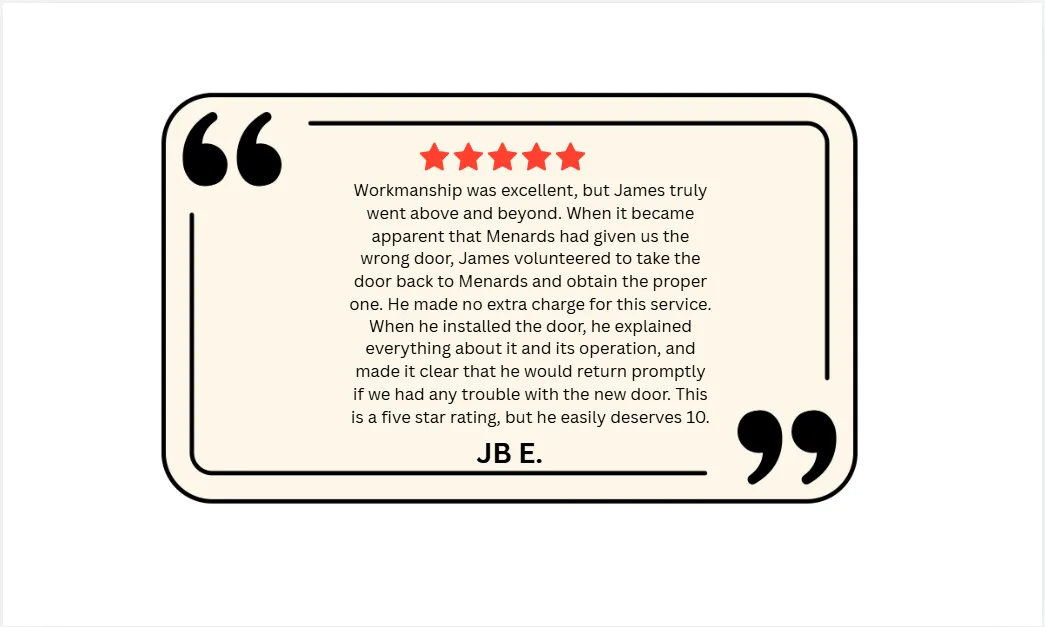



CHECK OUT OUR CURRENT OFFERS!
$200 OFF A NEW GARAGE DOOR!
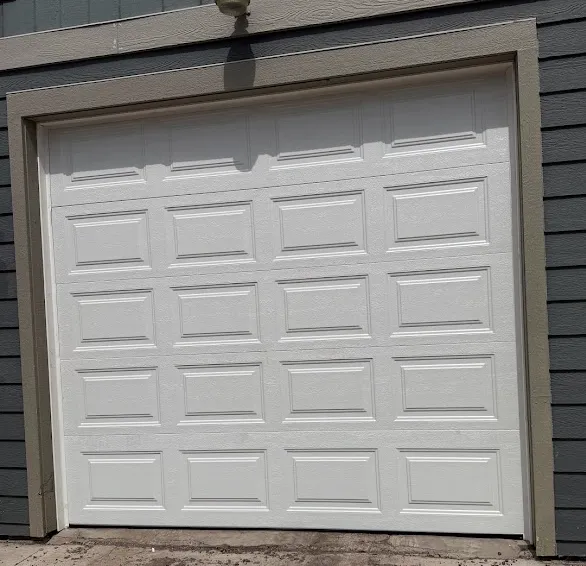
PROUDLY SERVING DULUTH, HERMANTOWN & TWO HARBORS
Duluth
Hermantown
Two Harbors
Cloquette
Saginaw
Tofte
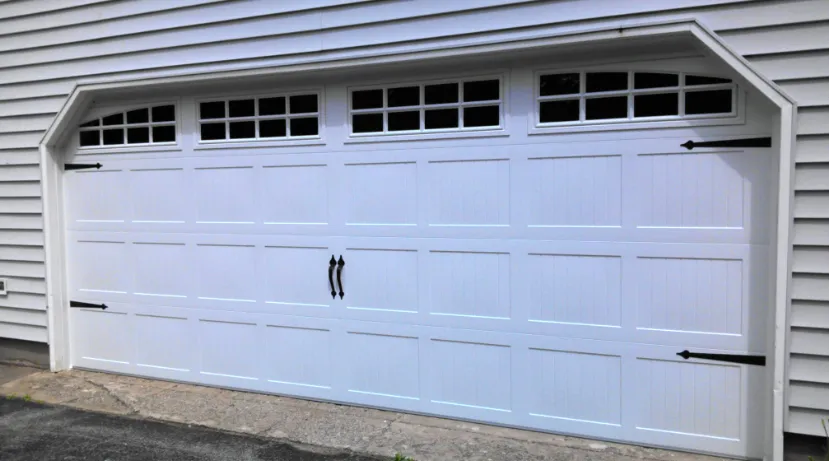
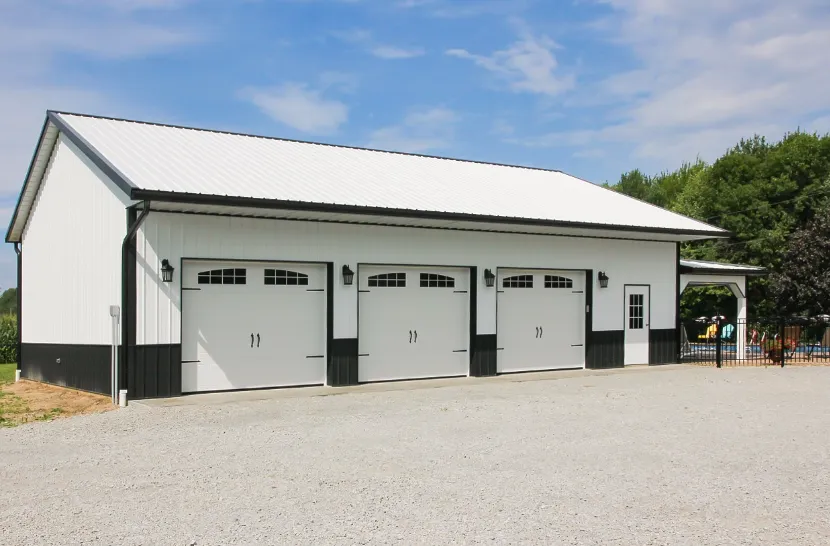
GET INSPIRED!
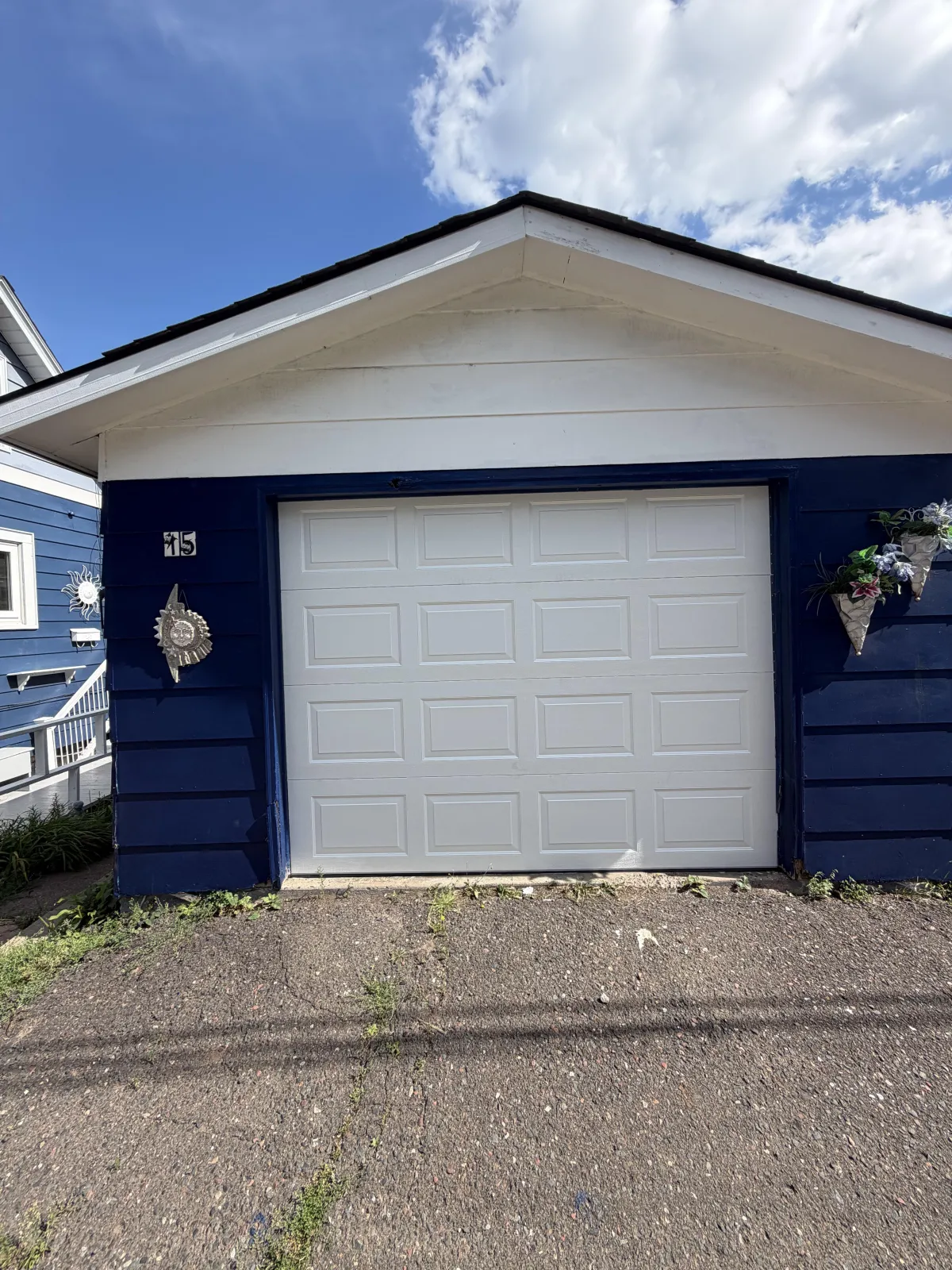
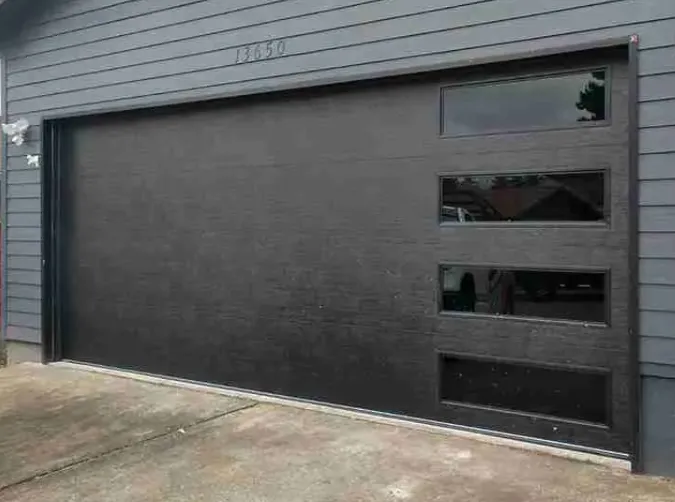
Browse real installs from around Duluth, Hermantown, and Two Harbors — see the difference a fresh garage door makes.
We're Here For You
Areas We Serve
Duluth
Hermantown
Two Harbors
Cloquette
Saginaw
Proctor
Rice Lake
Esko
Quick Links
Home
Repairs
Bundles
Protection Plans
About US
© 2026 Yordy Doors
Privacy Policy
Terms & Conditions


How Garage Door Spring Repair Works
1. We inspect the door and flag anything hazardous or outside scope.
2. Vehicles are cleared from the garage — releasing spring tension is the most dangerous step, since old springs can snap unpredictably.
3. The worn spring is carefully removed.
4. A new, properly rated spring is installed and tensioned.
5. We test the door's balance and smooth operation before we leave.
CHECK OUT OUR CURRENT OFFERS!
$200 OFF A NEW GARAGE DOOR!
PROUDLY SERVING DULUTH, HERMANTOWN & TWO HARBORS
Duluth
Hermantown
Two Harbors
Cloquette
Saginaw
Tofte
GET INSPIRED!
Browse real installs from around Duluth, Hermantown, and Two Harbors — see the difference a fresh garage door makes.
We're Here For You
Areas We Serve
Duluth
Hermantown
Two Harbors
Cloquette
Saginaw
Proctor
Rice Lake
Esko
© 2026 Yordy Doors
Privacy Policy
Terms & Conditions
CHECK OUT OUR CURRENT OFFERS!
$200 OFF A NEW GARAGE DOOR!
PROUDLY SERVING DULUTH, HERMANTOWN & TWO HARBORS
Duluth
Hermantown
Two Harbors
Cloquette
Saginaw
Tofte
GET INSPIRED!
Browse real installs from around Duluth, Hermantown, and Two Harbors — see the difference a fresh garage door makes.
We're Here For You
Areas We Serve
Duluth
Hermantown
Two Harbors
Cloquet
Saginaw
Proctor
Rice Lake
Esko
Quick Links
Home
Repairs
Bundles
Door Care Plan
About US
© 2026 Yordy Doors
Privacy Policy
Terms & Conditions